

Microsoft’s VALL-E claims to clone anyone’s voice using three seconds of a clip – there are fears that such technology could lead to fraud, phishing and a spread of disinformation.
Every time we use our voice we are making something unique to us. Our unique tone and inflection can be used to identify us to others, but it is not easy. Well, that was until Microsoft came along! The tech giant has developed an AI tool called VALL-E, which can get its hands on a three-second audio clip and clone your voice in less than a minute. Click the link here to see the demo.
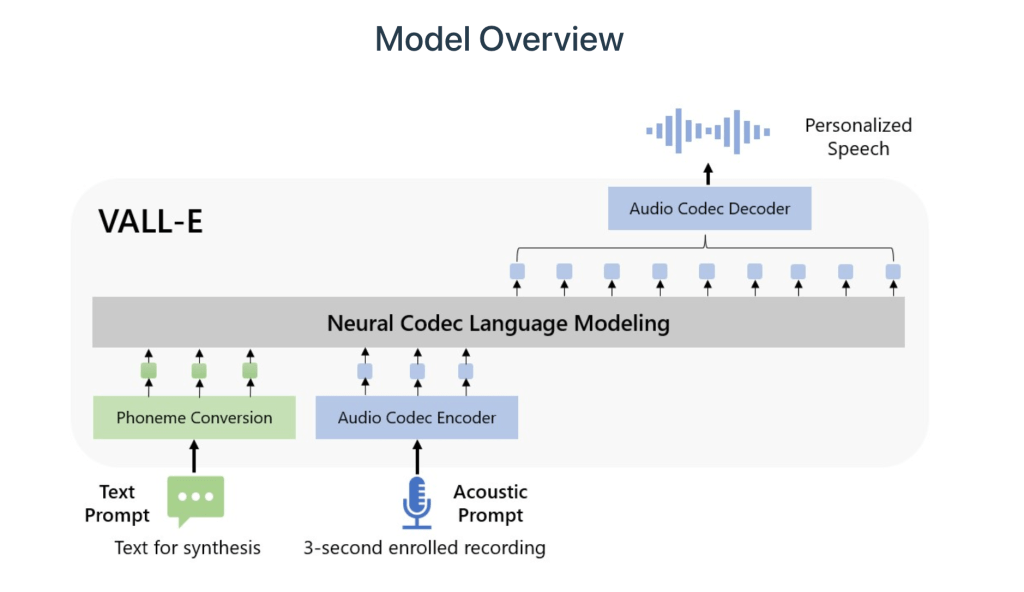
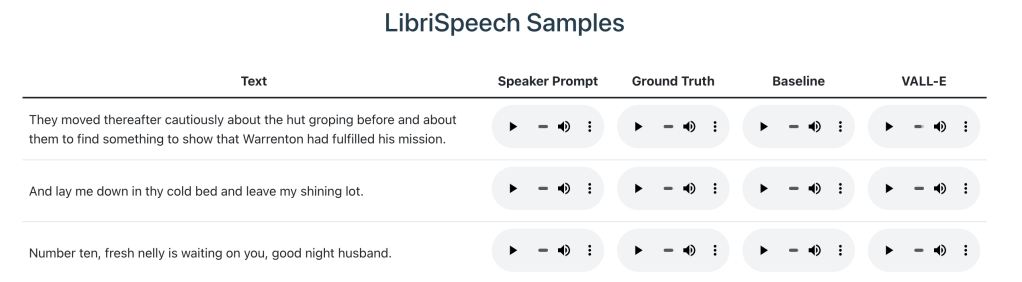
The new AI tool uses a voice recording of just three seconds and converts it into speech. Microsoft said 60,000 hours of speech trained its its new AI tool, that can mimic someone’s voice, including its tone and charisma, very easily. The software uses machine learning to process the data from the initial recording and then creates a realistic copy using text-to-speech technology. It is not too dissimilar to other software out there, including Descript and WellSaidLabs, but it only requires three seconds of inputted audio data! Examples of what can be produced are below:
The implications of the tool are vast. It could be used to create a voiceover of any video, which would be useful for those with visual impairments. It may also help people who have lost their voices due to illness or injury and need an alternative way of communicating. The software would also be useful in law enforcement and intelligence gathering, where it could be used to mimic someone’s voice and make them appear to say something that they did not actually say. This could be used for phishing, spreading misinformation or fraud. Call centres and customer service chat bots could use the tool.
For now, Researchers are working on making the AI tool more lifelike. This will involve improving the quality of its audio output and making it less robotic-sounding.
This is just one of many recent breakthroughs in the world of AI. Researchers have also managed to create AI bots that can spot fake news stories on social media, and a computer program has been developed which can detect cancerous moles.
The code is not yet available to the public but sound files and a basic demo can be accessed.
Let us know what you think in the comments below…
 The AI Super Hero Blog